Cancer treatment absolutely destroys the body. Seniors finish chemo or surgery drained, barely able to function. And honestly? Where they recover matters way more than most people realize.
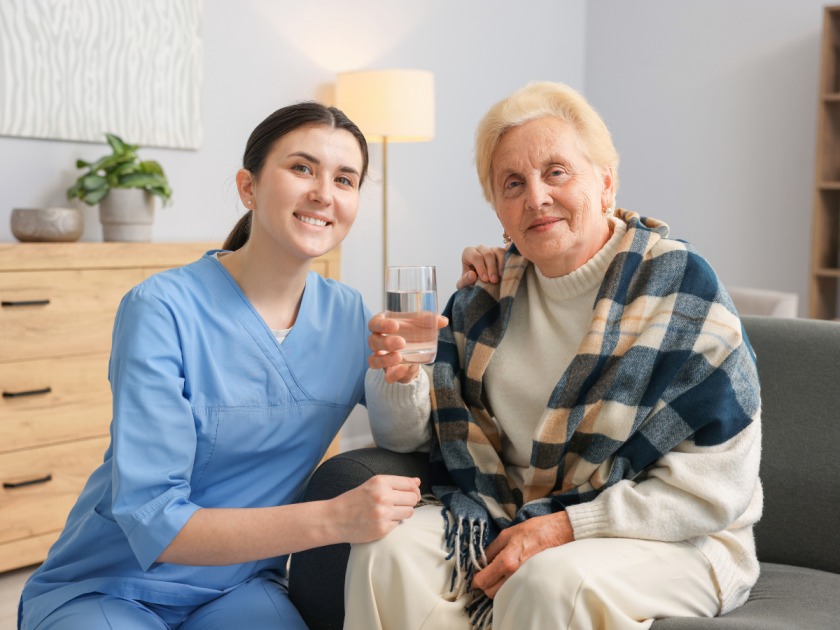
Hospitals feel cold and uncomfortable. Nursing facilities aren’t much better. But home? That’s where real healing happens. Professional In-Home Support gives seniors what they actually need—personal attention in surroundings they love. Let’s break down why this approach works so much better.
Understanding Post-Cancer Recovery Needs
Cancer treatments wreck everything. Surgery takes weeks to heal from. Chemo leaves people so weak that they can barely stand. Radiation burns damage skin and tissues. Bodies need massive amounts of energy just to repair themselves.
Then there are all the medications. Pills for pain, pills for nausea, pills to protect organs. Taking the wrong dose or mixing them incorrectly? Dangerous. Wounds need constant monitoring. Nutrition becomes critical because the body is desperately trying to rebuild.
Nobody talks enough about mental health, though. Depression hits hard after cancer treatment. Anxiety keeps people up at night. Fear about cancer coming back never really goes away. Treatment isolates people from friends and family, making everything worse.
Benefits of Home Care for Cancer Recovery
Faster Healing in Familiar Environments
Studies prove it—people heal quicker at home. Not slightly faster. Significantly faster. Why? Stress drops when you’re comfortable. Sleep improves in your own bed. Familiar routines keep your mind settled.
Looking at family photos, sitting in your favorite chair, hearing normal household sounds—these aren’t just nice things. They actively help recovery. Less stress means better immune function. Bodies repair damage more efficiently when minds feel calm and secure.
Personalized One-on-One Attention
Think about hospital nursing. One nurse handles multiple patients, maybe six or eight at once. They’re rushing between rooms constantly. They miss subtle changes. They can’t customize care for individual needs.
In-Home Support means one caregiver focused entirely on one person. They notice small health changes immediately. They adjust care throughout the day based on current needs. They respond instantly when problems arise.
That level of attention simply doesn’t exist anywhere else. Discover our personalized cancer recovery services designed specifically for seniors’ unique healing needs.
Maintaining Independence and Dignity
Facilities impose rules and schedules. Wake up at this time. Eat at that time. Shower when staff is available. Seniors lose control over their own lives.
Home recovery preserves independence. Seniors make their own choices about daily routines. They maintain privacy during vulnerable moments. They avoid institutional restrictions that damage morale and motivation. Independence directly impacts recovery success.
Lower Hospital Readmission Rates
Readmissions happen constantly after cancer treatment. Complications develop. Medications get mixed up. Infections start. Suddenly, seniors are back in emergency rooms.
Professional home caregivers prevent this. They catch warning signs early. They ensure medication compliance. They monitor wounds carefully. They communicate with medical teams. This proactive approach reduces readmissions by 30-40%. Fewer hospital trips mean better outcomes.
Essential In-Home Support Services
Skilled Nursing Care
Registered nurses handle serious medical needs at home. Wound dressing changes. IV medication administration. Symptom monitoring. Pain management. Vital sign tracking. Coordination with oncology specialists. Professional medical care happens right in living rooms.
Personal Care Assistance
Recovery makes basic tasks incredibly difficult. Bathing becomes challenging. Getting dressed takes forever. Moving around safely requires help. Caregivers provide respectful assistance with all personal needs while protecting dignity.
Medication Management
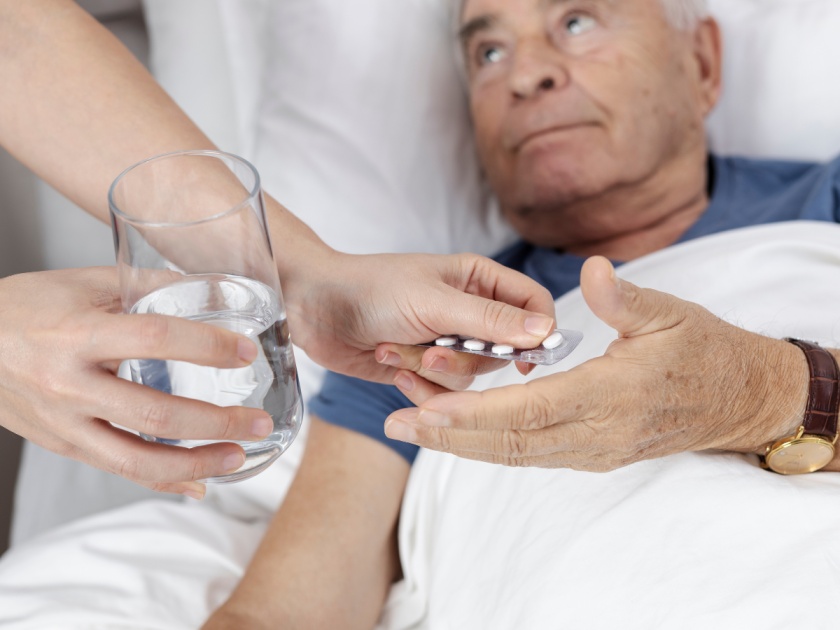
Post-cancer medication schedules get insanely complicated. Multiple prescriptions with different timing requirements. Potential drug interactions. Side effects to monitor. Caregivers manage everything—correct doses, proper timing, refill coordination, and detailed record keeping. Dangerous medication errors get eliminated.
Nutritional Support
Bodies need quality fuel for healing. Cancer treatment destroys appetites, though. Food tastes wrong. Nausea makes eating miserable. Caregivers prepare nutritious meals meeting dietary restrictions. They encourage adequate intake even when appetites disappear.
They ensure proper hydration and supplement administration. Explore our comprehensive nutritional care programs supporting optimal cancer recovery.
Physical and Occupational Therapy
Strength disappears during cancer treatment. Mobility decreases. Balance becomes unstable. In-home therapists provide targeted exercises rebuilding muscle and stamina.
They improve coordination and balance. They teach adaptive techniques for daily activities. Home-based therapy works better because it uses actual living spaces and real-world movements.
Emotional and Companionship Support
Cancer recovery isn’t just physical. Emotional support matters tremendously. Loneliness crushes motivation. Caregivers provide genuine companionship.
They listen during difficult moments. They encourage positive thinking. They engage in meaningful conversations and activities. Mental healing proves just as important as physical recovery.
Household Management
Running a household while recovering? Impossible for most seniors. Light housekeeping. Laundry. Meal preparation. Grocery shopping. Medication organization. Caregivers handle it all, letting seniors focus entirely on healing.
Planning for Home Cancer Recovery
Start planning before hospital discharge. Talk with medical teams about specific care requirements. Understand medication schedules completely. Learn the warning signs that need attention. Know when follow-up appointments are scheduled.
Evaluate home safety carefully. Remove tripping hazards. Install bathroom grab bars if needed. Arrange medical equipment delivery beforehand. Create comfortable recovery spaces. Professional care service coordinators help families navigate preparations smoothly.
Establish clear communication systems between family members, caregivers, and medical providers. Everyone needs current information about health status, changing needs, and emerging concerns.
Financial Considerations
Medicare covers many home health services when medically necessary and doctor-ordered. Skilled nursing care. Physical therapy. Occupational therapy. Medical social services. Coverage typically requires homebound status and part-time skilled care needs.
Private insurance coverage varies significantly. Review policy details carefully regarding home care benefits and pre-authorization requirements.
Veterans should explore VA home care benefits. Long-term care insurance often includes In-Home Support coverage. Contact our team to discuss insurance coverage and financial planning for your specific situation.
Conclusion
Cancer recovery represents a critical period. Quality care directly impacts long-term outcomes and future quality of life. Home HealthCare Service with professional In-Home Support provides the optimal environment for faster healing, maintained dignity, and rebuilt strength—all in comfort and safety.
Don’t wait until discharge creates emergencies. Proactive planning ensures smooth transitions and immediate access to necessary services.
Reach out to our experienced cancer care team today to discuss how personalized home-based recovery services can help your loved one heal successfully, safely, and comfortably in the place they cherish most—home.
FAQ,s
When should families arrange home care after cancer treatment?
Begin planning before hospital discharge. Early coordination ensures services are ready when seniors return home, preventing gaps in care. Contact providers at least one week before discharge for optimal preparation.
Does Medicare cover home care services after cancer treatment?
Medicare covers medically necessary skilled services like nursing, physical therapy, and wound care when physician-ordered and the patient is homebound. Consult our specialists for specific coverage details.
How long do seniors typically need home care after cancer?
Duration varies based on treatment type, overall health, and recovery progress. Some need weeks of support; others require months. Professional assessments determine appropriate timelines and adjust care as recovery progresses.
Can home care help prevent cancer-related complications?
Yes, professional caregivers monitor for infection signs, medication side effects, wound problems, and other complications. Early detection and intervention prevent many issues from requiring hospitalization, supporting safer recovery at home.
What qualifications should cancer home care providers have?
Seek licensed nurses for medical tasks, certified aides for personal care, and caregivers trained in oncology care principles. Verify credentials, experience with cancer patients, and references, ensuring quality, knowledgeable support.
