
At some point, most families face the same difficult conversation. A parent is struggling to manage on their own. A family member with a disability needs more consistent support than the family can realistically provide.
The options feel limited — a care facility on one end, trying to handle everything yourself on the other. What often gets overlooked is the middle path that tends to work better than either extreme: private home care services.
Not a facility. Not round-the-clock family caregiving. Just professional, personalized support delivered in the home where your loved one already lives on a schedule that actually fits their needs. Here’s why more families are choosing this route and what it genuinely changes for everyone involved.
Your Loved One Stays Where They Want to Be
Ask almost anyone what they’d prefer, staying in their own home or moving into a care facility, and the answer is almost always the same. Home wins. The familiar environment, the routines, the connection to the neighborhood, and the life they’ve built, these things aren’t just emotional preferences.
Private home care services make staying home possible without sacrificing the level of support the person actually needs. The care comes to them. They don’t have to uproot their life to get the help that’s available to them, and that distinction matters enormously for long-term wellbeing.
The Care Is Actually Personal
One of the most significant advantages of private home care services over facility-based care is that the support is built around one specific person, not a ward of residents, not a rotation of patients. The caregiver learns the individual’s preferences, personality, daily rhythms, and particular challenges.
In a group setting, care gets standardized because it has to. At home, it gets personalized because there’s no reason not to. The meals are prepared the way the person likes them. The schedule reflects how they actually live, not a facility timetable.
Safety Without the Institutional Feel
One concern families often raise when considering private home care services is safety, whether a professional caregiver at home can truly keep their loved one as safe as a staffed facility.
The honest answer is that for most people, they can do so without the disorientation and emotional cost of an institutional environment. A trained caregiver monitors health changes, prevents fall risks, manages medications carefully, and notices warning signs early.
Family Caregivers Get the Relief They Actually Need
There’s a version of this conversation that focuses entirely on the person receiving care, and that’s important. But the family caregiver’s experience matters too. Spouses, adult children, and siblings who take on significant caregiving responsibilities often do so at real personal cost.
Our Respite Care Services address this directly. Structured, professional relief that gives family caregivers time to rest, manage their own lives, and return to their role with energy rather than exhaustion.
Professional Care That Covers the Full Picture
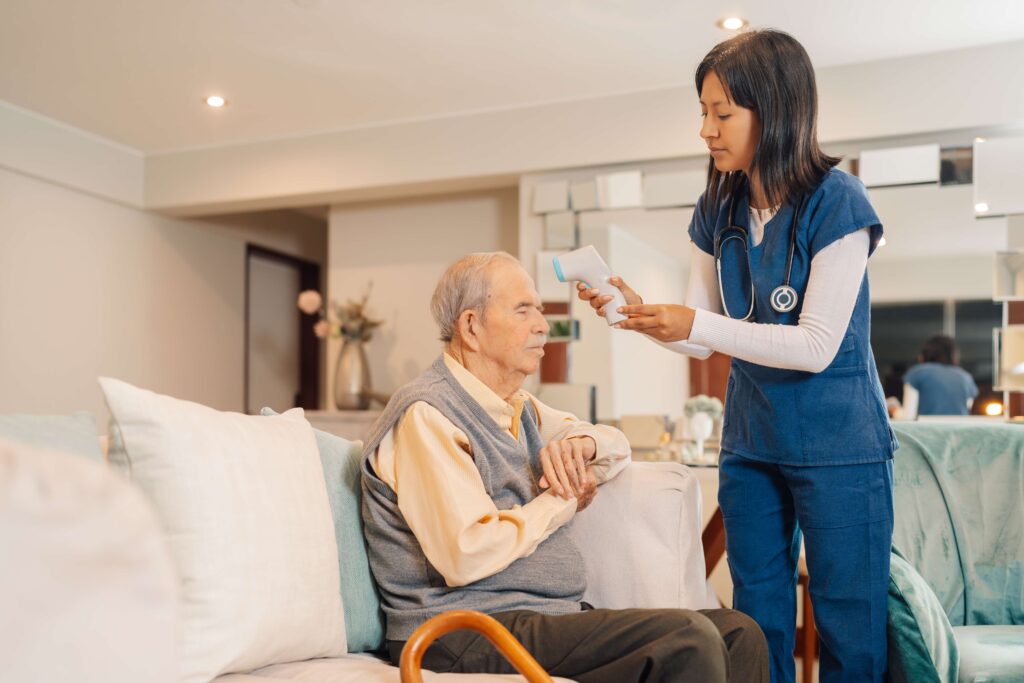
Good private home care services don’t just handle one dimension of a person’s needs; they address daily living support, health monitoring, emotional well-being, and social engagement together.
That comprehensive approach is what separates professional home care from ad hoc family arrangements, and it’s what produces the kind of consistent outcomes that families notice quickly.
Flexible Scheduling That Fits Real Life
Another practical strength of private home care services is flexibility. Care can be arranged for a few hours a day, several days a week, or around the clock, depending on what the person actually needs.
As needs change over time, and they often do, the level of support can be adjusted without the upheaval of changing facilities or renegotiating institutional care contracts. That adaptability is something families consistently appreciate as their situations evolve.
Conclusion
Choosing private home care services for a loved one isn’t settling for less than facility care — in most cases, it’s choosing something better. More personal, more flexible, more connected to the life the person actually wants to live. Vital Healthcare Services provides professional home care across Fairfax, Alexandria, Arlington, and Prince William Counties in Northern Virginia. Contact us today and speak with a team that understands what good home care actually looks like in practice.
FAQ’s
What do private home care services typically include?
Private home care services generally cover assistance with daily living activities, health monitoring, medication reminders, meal preparation, companionship, and light household support — all delivered in the client’s home by a trained, professional caregiver on a flexible schedule.
How is private home care different from a care facility?
Private home care delivers personalized support in the individual’s own home rather than a group setting, which means care is built around one person’s specific needs, preferences, and routines rather than a standardized schedule designed for multiple residents.
Can private home care services support someone with a developmental disability?
Yes, private home care services can be tailored to support individuals with developmental and intellectual disabilities, providing daily living assistance, skill-building support, and consistent companionship that helps them maintain independence and participate in their community.
How does respite care fit into a private home care arrangement?
Respite care provides scheduled breaks for family caregivers by bringing in professional home care support temporarily, allowing the primary caregiver to rest and recharge while knowing their loved one is receiving attentive, high-quality care in their absence.
Which areas in Virginia does Vital Healthcare Services cover?
Vital Healthcare Services provides private home care services across Fairfax, Alexandria, Arlington, and Prince William Counties in Northern Virginia, with 24/7 availability to ensure consistent, professional support is always accessible for families who need it.
