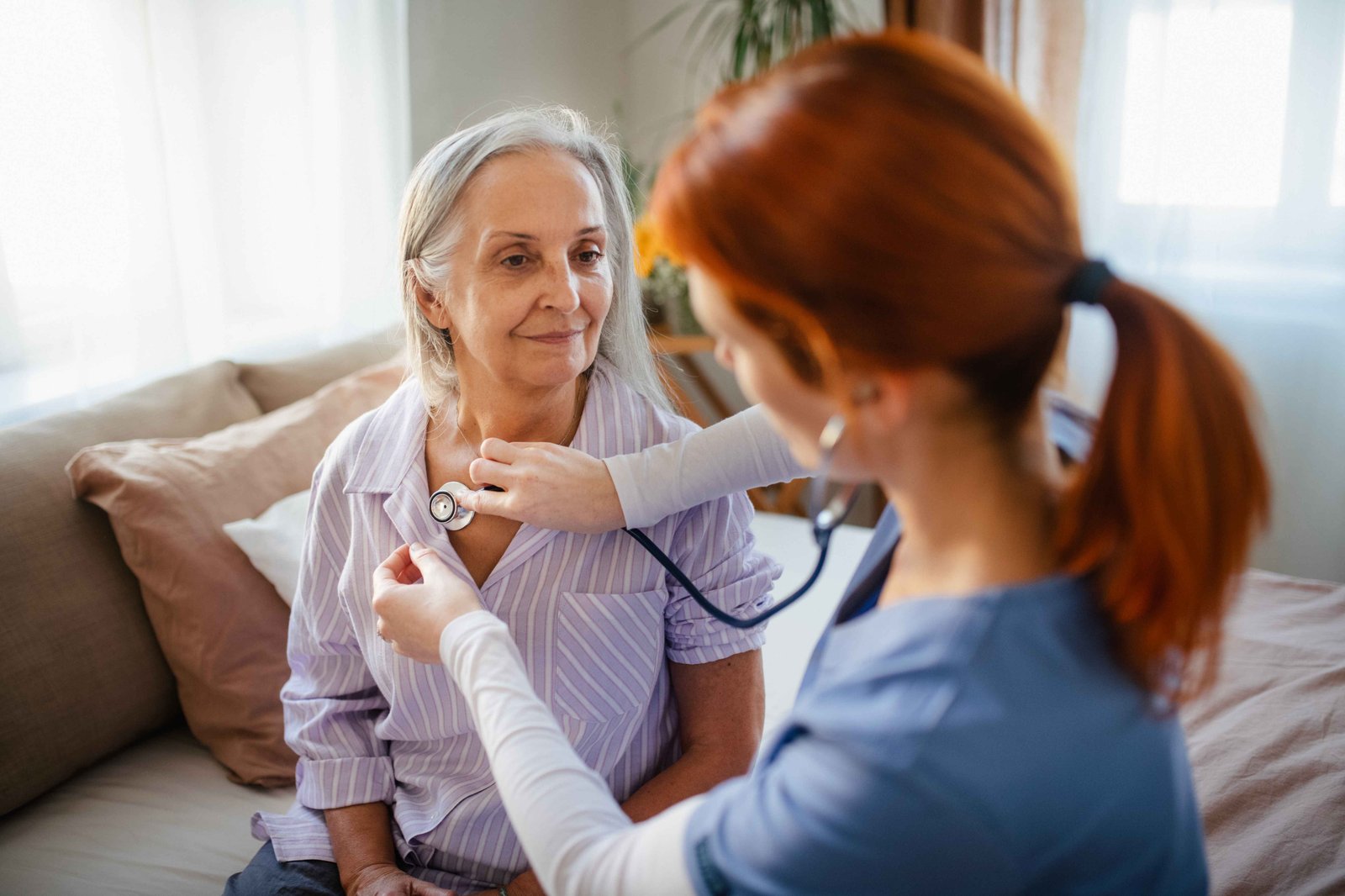
Heart disease doesn’t always announce itself the way people expect, especially in women, where symptoms can look more like fatigue or nausea than the chest-clutching moment shown in movies. For families navigating a diagnosis or recovery after a cardiac event, the weeks that follow at home often matter just as much as the treatment itself.
Quick Summary: Heart Disease in Women
This blog covers how heart disease in women often presents differently than expected, what recovery at home typically involves, and how professional support can ease that transition. Vital Healthcare Services helps families across Northern Virginia manage daily care during recovery, and you can reach out here to talk through your options.
Why Heart Disease in Women Gets Missed So Often
Heart disease in women frequently shows up as fatigue, shortness of breath, or nausea rather than the sharp chest pain most people associate with a heart attack. This difference in presentation is a major reason diagnosis sometimes gets delayed, and why recovery plans need to account for symptoms that don’t always fit the textbook pattern.
The Weeks Right After Diagnosis or a Cardiac Event
The period immediately following a diagnosis of heart disease in women is often when the most adjustment happens, with new medications, activity restrictions, and follow-up appointments all stacking up at once. Having steady support during this window tends to make the difference between a smooth transition and a stressful scramble.
Managing Fatigue and Limited Activity
Energy levels after a cardiac event rarely bounce back on a predictable schedule, and pushing too hard too soon can set recovery back rather than speed it up. Gentle, doctor-approved activity paired with real rest tends to work better than either extreme, though pacing looks different for every woman recovering from heart disease.
Medication Management Becomes More Complex
Recovery from heart disease in women often involves several medications at once: blood thinners, blood pressure medication, and cholesterol management, each with its own timing and potential side effects. Missing doses or mixing up timing isn’t rare, especially for older women managing this alongside other health conditions.
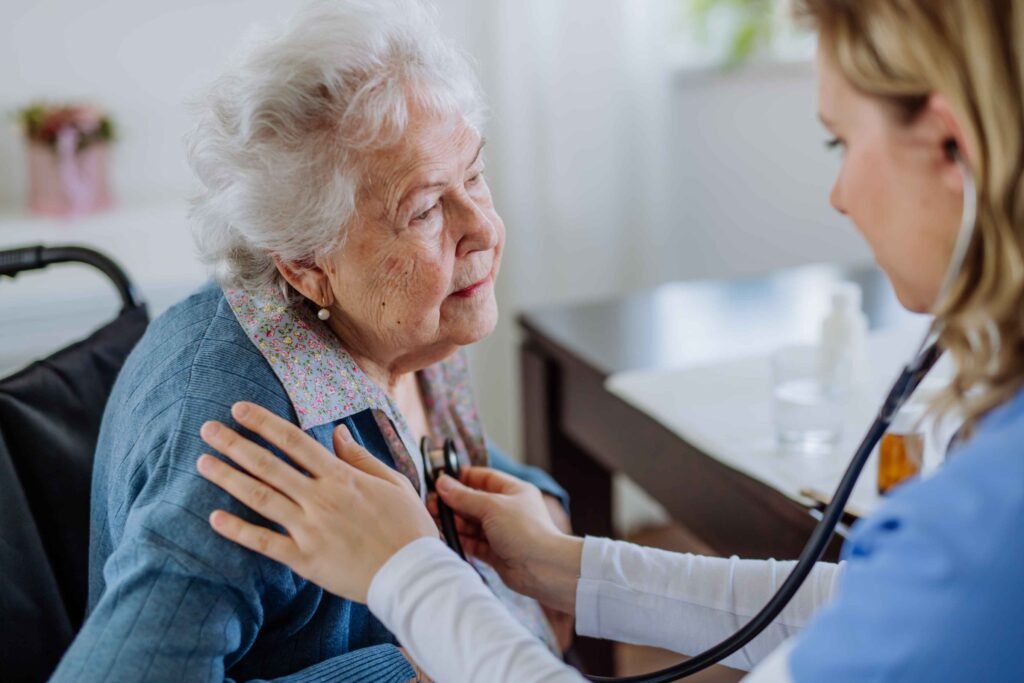
Emotional Support Matters as Much as Physical Recovery
A cardiac diagnosis shakes people in ways that aren’t always visible from the outside: anxiety about another event, fear of overexerting, a loss of the independence someone had before. This emotional weight is a real part of recovering from heart disease in women, even though it gets discussed far less than the physical side.
| Recovery Need | What Helps | Support Option |
| Daily task assistance | Help with meals, mobility | Home Care Services |
| Caregiver exhaustion | Scheduled breaks | Respite Care Services |
| Isolation during recovery | Regular companionship | Personal Companion Services |
| Ongoing daily supervision | Ongoing supportive presence | Senior Care Services |
| Medication timing | Consistent daily routine | Home Care Services |
Getting Daily Support at Home
Recovering from a cardiac event often means needing help with things that used to be automatic: cooking, light housekeeping, getting to appointments. Home Care Services provide exactly this kind of daily, practical support so recovery doesn’t get derailed by the logistics of everyday life.
Support for Older Women Managing Long-Term Recovery
For older women balancing heart disease alongside other age-related needs, ongoing, consistent support tends to matter more than occasional check-ins. Senior Care Services offer that kind of steady presence, built around helping someone stay safely and comfortably at home.
Giving Family Caregivers a Break
Caring for a mother, wife, or sister recovering from heart disease in women can quietly exhaust the person doing the caregiving, especially without regular breaks. Respite Care Services step in to give family caregivers scheduled time off, which tends to prevent burnout before it starts.
Reducing Isolation During Recovery
Recovery can feel lonely, especially for women used to being the ones taking care of everyone else and now finding themselves on the receiving end. Personal Companion Services offer regular, friendly interaction that supports emotional well-being alongside the physical recovery process.
A Quick Note on Medical Guidance
None of this replaces medical care. Any treatment plan, medication schedule, or activity restriction related to heart disease in women should always be directed by a cardiologist or primary care provider, since every case and recovery timeline differs.
Conclusion
Recovering from heart disease in women takes more than medication and follow-up visits; it takes steady support at home during a period that can feel overwhelming. Visit the Home Healthcare Services to see the full range of care options, or get in touch directly to talk about what fits your family’s situation.
FAQ’s
Why does heart disease in women often go undiagnosed longer?
Symptoms often look different than the classic signs people expect. Fatigue and nausea are common but easy to overlook.
How long does recovery typically take after a cardiac event?
It varies widely depending on the individual and severity. Some women recover in weeks, others need several months.
Is home care a substitute for cardiac rehab?
No, home care supports daily living but doesn’t replace medical rehab programs. Both often work best together.
What’s the biggest challenge for caregivers during this recovery?
Burnout is common, especially without scheduled breaks. Respite care helps prevent that before it becomes overwhelming.
When should family members be concerned during recovery?
If new symptoms appear or existing ones worsen suddenly. That should prompt a call to the doctor right away.
