
Watching a parent slow down is hard enough without having to decide whether staying in their own home is still safe. Most adult children land in the same place eventually, wanting their parent to stay independent for as long as possible without pretending that nothing has changed. That’s the exact gap that in-home care for elderly parents is built to fill, giving families a middle option between doing everything alone and giving up the home entirely.
Quick Summary: In-Home Care for Elderly Parents
Vital Health Care provides compassionate, professional support that helps seniors across Fairfax, Alexandria, Arlington, and Prince William Counties stay safely in their own homes. Reach out to our team to talk through what your family actually needs.
Why Independence Matters So Much to Aging Parents
Losing Independence Feels Like Losing Identity
For most seniors, giving up daily routines, driving, or living alone feels less like a practical adjustment and more like losing a piece of who they are. That emotional weight is often heavier than the physical challenges themselves, and it’s part of why finding the right in-home care for elderly parents matters as much for morale as it does for safety.
The Alternative Doesn’t Have to Be a Facility
Moving into a facility is sometimes framed as the only responsible option once a parent needs extra support, but it’s rarely the only one, and it’s often not the one either the parent or the family actually wants. Choosing in-home care for elderly parents keeps that decision in the family’s hands rather than forcing it early.
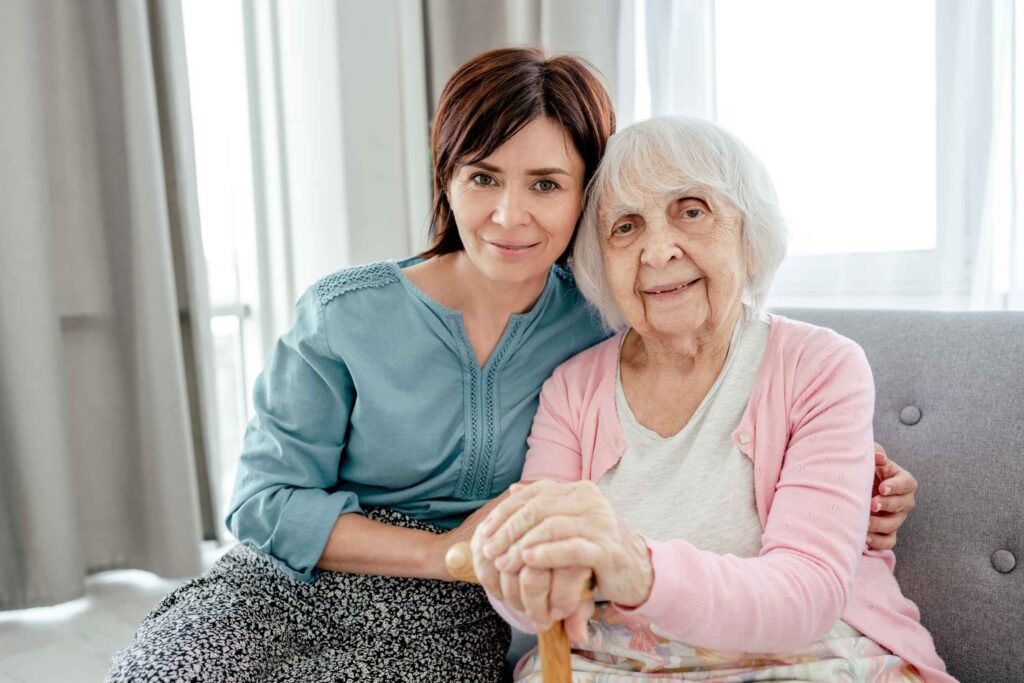
What In-Home Care for Elderly Parents Actually Looks Like
It’s not a single fixed service; it flexes based on what’s actually needed, from a few hours of help a week to more consistent daily support. The Senior Care Services team builds a plan around the specific person rather than applying one standard routine to every family.
Support With Daily Living Without Taking Over
Help with meals, light housekeeping, and getting around the home makes a real difference without stripping away a parent’s sense of control over their own life. Good in-home care for elderly parents pays close attention to that balance, since the goal is support rather than a full takeover of daily routines. The Home Care Services team focuses specifically on this balance, offering support rather than taking over entirely.
Comparing the Options
Here’s roughly how the main choices stack up against each other.
| Factor | Aging Alone at Home | In-Home Care for Elderly Parents | Moving to a Facility |
| Independence preserved | High risk, no support | High, with safety support | Lower |
| Familiar environment | Yes | Yes | No |
| Family peace of mind | Low | High | Moderate |
| Flexibility of care level | None | Adjusts as needs change | Fixed |
Companionship Matters as Much as Physical Care
Isolation is one of the quieter risks of aging alone, and regular conversation and company often do as much for a parent’s well-being as any physical task. This is a piece of in-home care for elderly parents that’s easy to overlook when families focus only on safety and physical needs. The Personal Companion Services team focuses on exactly this side of care, keeping seniors socially connected rather than just physically safe.
Giving Family Caregivers a Break Too
Adult children juggling their own jobs and families often end up quietly burning out while trying to cover everything themselves. The Respite Care Services team steps in temporarily, giving family caregivers room to rest without guilt or scrambling for last-minute coverage.
When Cognitive Changes Complicate Independence
Memory loss adds a layer of complexity that physical support alone doesn’t address, and it often changes what independence realistically looks like for a parent. This piece on how home healthcare supports people living with memory loss covers that situation in more depth.
Conclusion
In-home care for elderly parents isn’t about taking independence away; it’s about making it possible to keep it for longer, safely and with real support in place. Learn more about what a Home Healthcare Services full of care options can look like for your family.
FAQ’s
How do I know if my parent needs in-home care for elderly parents to stay safe?
Signs like missed medications, unsafe falls, or a noticeably messier home are usually the first indicators worth acting on.
Is in-home care more affordable than a facility?
Often yes, especially when care is scaled to actual need rather than paying for a fixed facility rate regardless of how much support is used.
Will my parent lose independence with a caregiver in the home?
Not typically, since good care is built around supporting existing routines rather than replacing them entirely.
Can care hours be adjusted over time?
Yes, most families start with a few hours a week and adjust as needs change, rather than committing to a fixed plan upfront.
What if my parent resists the idea of outside help?
It’s common, and starting with light companionship support rather than heavier care often makes the transition easier to accept.
