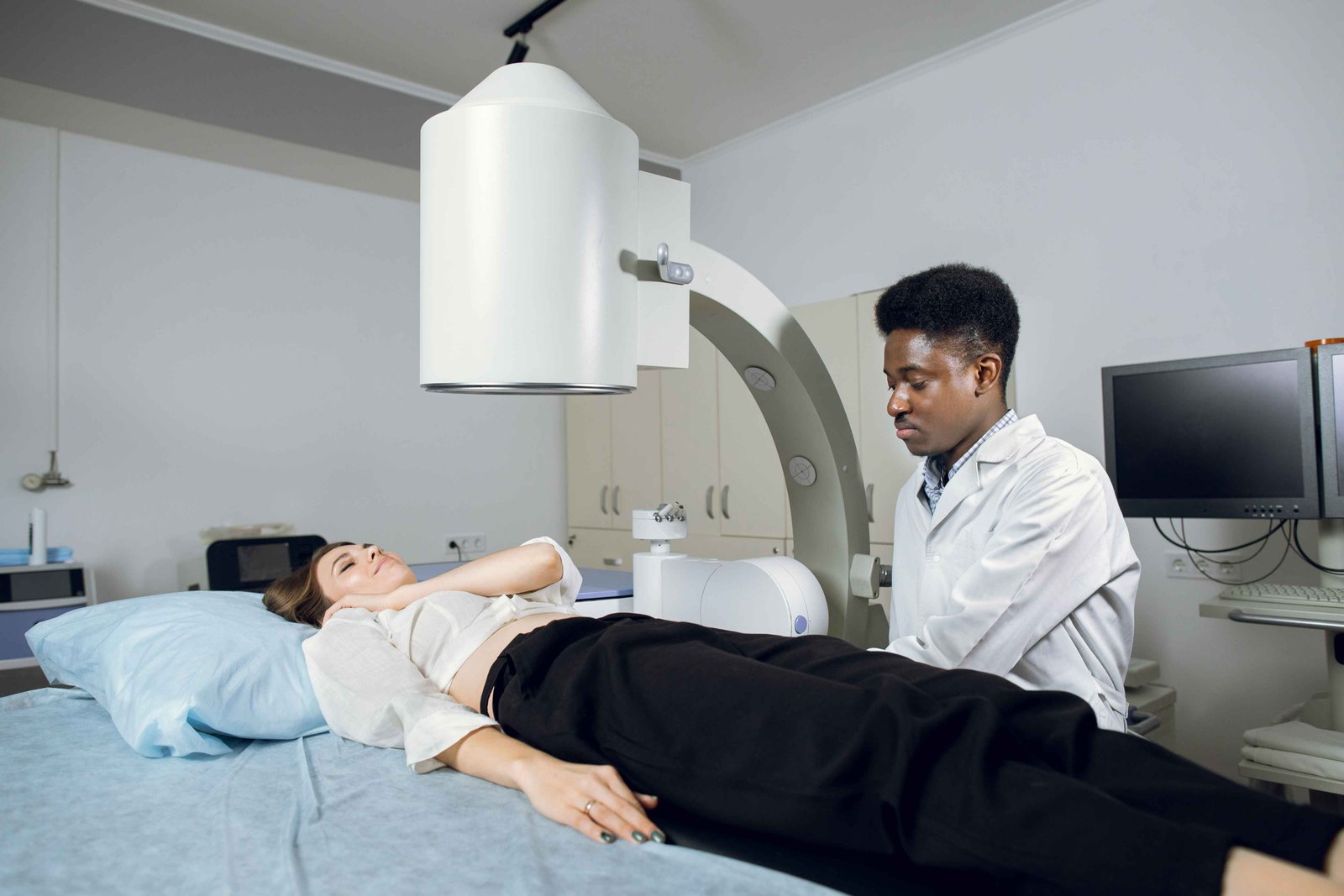
The days right after finishing treatment often feel strange for men and their families, a mix of relief that the sessions are over and uncertainty about what comes next. Fatigue lingers longer than most people expect, and the support that mattered less during active treatment suddenly becomes essential at home.
Quick Summary: Radiation Treatment for Prostate Cancer Recovery
This blog covers what recovery typically looks like after radiation treatment for prostate cancer, and how home-based support can ease that transition. Vital Healthcare Services helps families in Northern Virginia manage daily care during recovery, and you can reach out here to talk through your options.
What Recovery Usually Looks Like
Recovery timelines vary quite a bit from one person to another, but fatigue is almost universal after radiation treatment for prostate cancer. Some men bounce back within a few weeks, others need a couple of months before energy levels feel normal again. Urinary changes and mild discomfort are common early on, too, and most of this settles gradually rather than all at once.
Why the First Few Weeks Matter Most
The stretch right after radiation treatment for prostate cancer tends to be when support is needed most, even though it’s often when family members have already gone back to their own routines. Simple things like getting to follow-up appointments, remembering medication timing, or just having someone around during a rough day make a real difference during this window.
Managing Fatigue Without Overdoing It
Pushing through exhaustion doesn’t actually speed anything up, and plenty of men learn this the hard way. Short walks, consistent sleep schedules, and pacing daily tasks tend to work better than trying to return to a normal routine too quickly. It’s less about resting completely and more about not overcommitting on any single day.
Nutrition During Recovery
Appetite often dips for a while, and some foods that used to sit fine suddenly don’t. Smaller, more frequent meals tend to be easier to manage than three large ones, and staying hydrated matters more than most people realize, especially if urinary symptoms are part of the picture. None of this replaces guidance from an oncology team, but it’s a reasonable starting point for daily planning.
When Family Caregivers Need Their Own Support
Caregiving takes a toll that doesn’t always get talked about. A spouse or adult child managing appointments, meals, and emotional support on top of their own job and family responsibilities can burn out fast. This is where Home Care Services tend to come in, not to replace family involvement, but to take some of the physical load off so caregivers aren’t running on empty.
Getting Occasional Relief as a Caregiver
Even a few hours off matters when you’re the one managing someone else’s recovery day in and day out. Respite Care gives family caregivers a break, whether that’s a few hours to run errands or a longer stretch to actually rest, while someone reliable stays with the patient.
Companionship Matters More Than People Expect
Recovery can be isolating, especially for men who spent the treatment weeks focused entirely on getting through appointments and are now sitting at home with more time than energy. Companion Care offers regular, friendly support, someone to talk to, help with light tasks, or just be present, which matters more for mental well-being than it might sound on paper.
| Recovery Need | What Helps | Support Option |
| Daily fatigue management | Pacing activity, rest breaks | Home Care Services |
| Caregiver burnout | Scheduled breaks | Respite Care |
| Isolation during recovery | Regular social contact | Companion Care |
| Appointment coordination | Reliable transportation and reminders | Home Care Services |
| Medication timing | Consistent daily routine | Home Care Services |
Building a Realistic Home Routine
A predictable daily structure tends to help more than a rigid schedule. Light movement in the morning, a proper rest period in the afternoon, and consistent meal and medication timing give both the patient and the caregiver something steady to work with while energy levels are still unpredictable.
A Quick Note on Medical Guidance
None of this is meant to replace medical advice. Recovery plans, medication schedules, and any concerns after radiation treatment for prostate cancer should always be directed to a qualified oncologist or healthcare provider, since every case is different.
Conclusion
Recovering from radiation treatment for prostate cancer is rarely a straight line, and having steady support at home tends to make the process more manageable for everyone involved. Visit the Vital Healthcare Services to see the full range of care options, or get in touch directly to talk about what fits your situation.
